
Portfolio
Systems-driven projects across public, private, and nonprofit sectors.
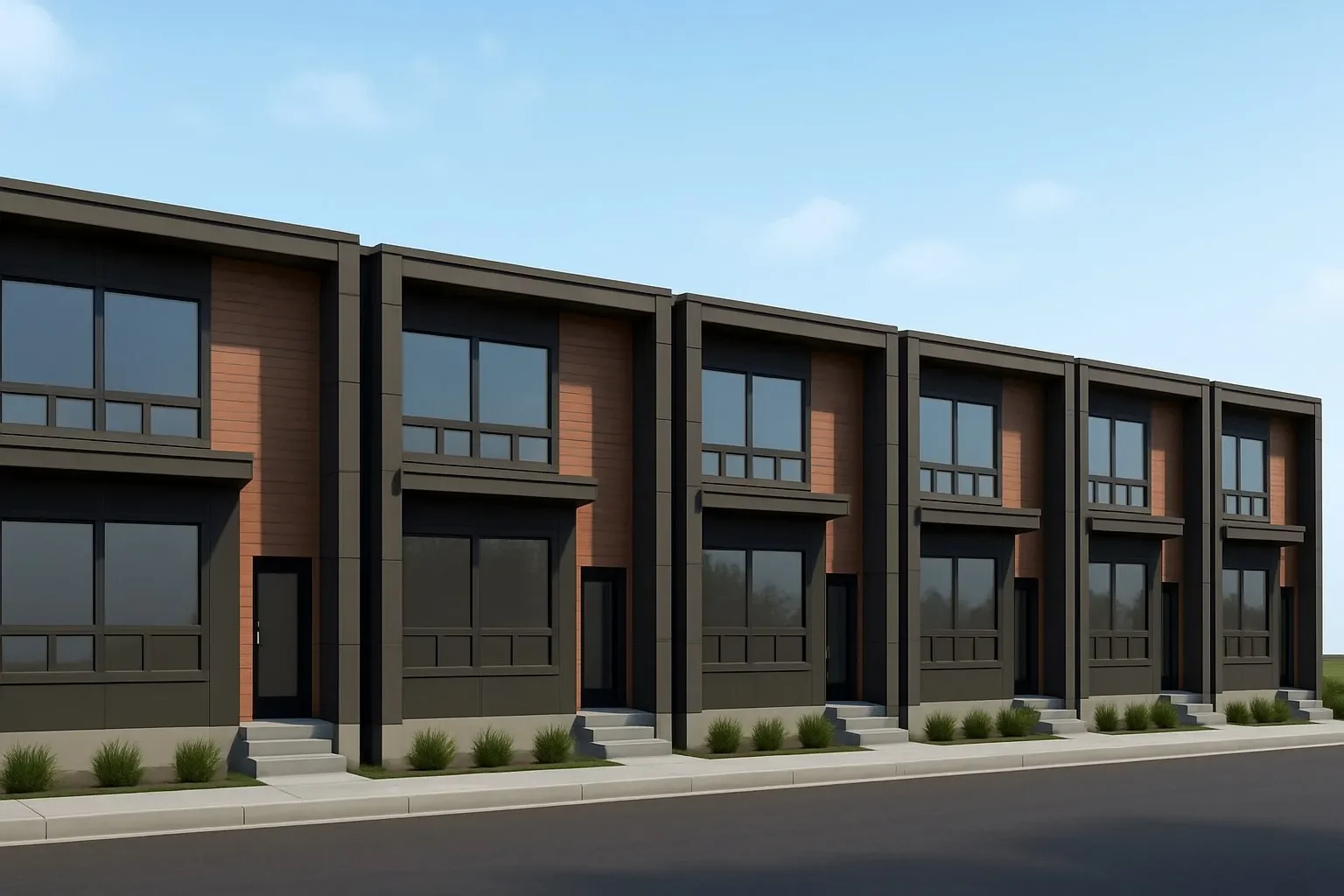
Vacant Morgan Park Lot To Become 24 Single-Family Homes
Eruo Advisory supported an infill housing project to activate a long-vacant Morgan Park lot, delivering 24 single-family homes and advancing broader neighborhood revitalization goals.
The Challenge
The parcel had remained idle for years, with multiple stakeholders, regulatory hurdles, and intersecting incentives. Aligning public agencies, developers, and community priorities required careful planning and systems thinking.
Our Approach
Conducted a systems assessment of vacant lot disposition and redevelopment pathways
Convened stakeholders across municipal agencies and community partners
Strategically aligned financing, entitlements, and implementation sequencing
Outcomes
Facilitated delivery of 24 single-family homes, advancing city goals for missing-middle housing
Embedded durable collaboration structures to support additional development projects
Strengthened alignment between community priorities and long-term investment strategy
Perspective
This project demonstrates how strategic advisory and systems thinking enable complex redevelopment without compromising community priorities or institutional longevity.
Southside Market, A Grocery Co-Op And Cafe, Brings Fresh Food To Chatham At Critical Time

Franklin supported the development of Southside Market, a community-owned grocery and café, enhancing access to fresh food while creating local ownership and economic opportunity.
The Challenge
Chatham faced limited access to nutritious food options. The initiative aimed to transform a long-vacant building into a cooperative enterprise, requiring alignment of multiple stakeholders and sustainable financial design.
The Approach
Facilitated strategic conversations among community leaders, public funders, and local partners
Designed governance structures and co-ownership models
Aligned operational and funding strategies with long-term sustainability
Outcomes
Opened a fully operational community co-op with café and entrepreneurial pathways
Embedded community input and decision-making into governance
Delivered measurable local economic impact and enhanced food access
Perspective
This engagement reflects Eruo Advisory’s commitment to translating community ambition into executable strategy and institutional structures, centering equity, and long-term sustainability.
Chicago Multifamily Real Estate: A Mispriced Opportunity for Patient Capital

Franklin authored a market analysis for KWILL Merchant Advisors reframing Chicago's commercial real estate dislocation, arguing that capital markets mechanics, not property tax volatility, are the true driver of current pricing pressure.
The Challenge:
The dominant market narrative attributes Chicago's real estate dislocation to property tax instability, discouraging institutional capital from a market with otherwise strong fundamentals. Separating genuine policy risk from capital markets noise required a rigorous look at transaction data, assessment reform, and supply pipeline trends.
The Approach:
Analyzed the interest rate compression, liquidity constraints, hold period compression, and refinancing pressure driving recent asset pricing across gateway markets
Reframed property tax exposure as a manageable, improving policy risk rather than an existential market risk, given Cook County's triennial reassessment cycle and expanding assessment transparency
Evaluated multifamily construction pipeline contraction, transaction volume, and rent growth data to identify a defined entry window for patient capital
Outcomes:
Identified a 24 month strategic window, 2026 through early 2028, offering maximum tax visibility ahead of the next triennial reassessment
Highlighted a 52% contraction in Chicago's multifamily construction pipeline supporting sustained rental growth through 2028
Provided an underwriting framework for institutional investors targeting 5 to 10 year holds across multifamily, industrial, and select office assets
Perspective:
This piece reflects Eruo Advisory's broader thesis that disciplined capital deployment depends on correctly diagnosing risk. Distinguishing policy risk from capital markets risk is often the difference between sophisticated investors capturing a mispriced opportunity and sidelined capital missing it entirely.